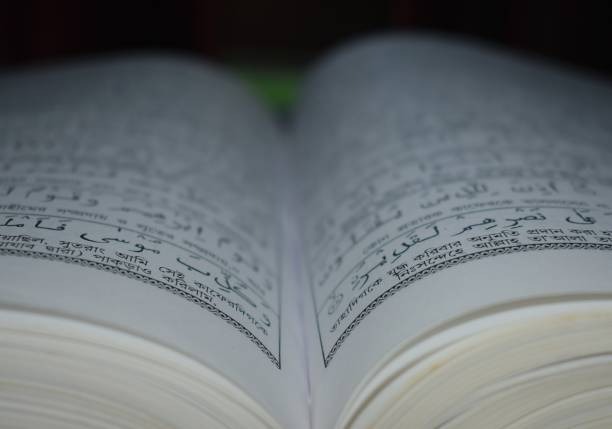
Exploring the translation of the Quran is a profound journey that invites individuals to delve into the depths of one of the most influential texts in human history. The Quran, revered by Muslims as the literal word of God as revealed to Prophet Muhammad, is originally written in classical Arabic. For non-Arabic speakers and even for many native Arabic readers, understanding its nuanced meanings necessitates a reliable translation.
The process of translating the Quran is not merely about converting words from one language to another; it involves capturing complex theological concepts and cultural contexts. Each translator brings their own perspective, influenced by linguistic skills, religious understanding, and cultural background. This makes choosing an appropriate Quran Translation crucial for anyone seeking to comprehend its teachings deeply.
One must acknowledge that no translation can fully encapsulate the original text’s poetic beauty and layered meanings. However, numerous translations aim to provide clarity while maintaining fidelity to the source material. Renowned translators like Abdullah Yusuf Ali have made significant contributions with works that are widely respected for their balance between accessibility and adherence to traditional interpretations.
Understanding Quranic translations also involves recognizing various interpretative approaches—some are more literal while others offer paraphrased renditions aiming at conveying broader meanings rather than word-for-word accuracy. Literal translations strive for precision but may sometimes seem rigid or obscure due to differences in syntax and idiomatic expressions between Arabic and target languages. On the other hand, interpretive translations might provide easier readability but risk drifting away from precise doctrinal points.
For those exploring these translations, it’s beneficial to consult multiple versions alongside commentaries known as Tafsir which elucidate verses’ historical context and theological implications. Tafsirs often bridge gaps left by linguistic differences by providing insights into how scholars have traditionally understood certain passages over centuries.
Furthermore, engaging with translated texts can foster interfaith dialogue by offering non-Muslims insight into Islamic beliefs and values rooted in scriptural teachings. This exchange promotes mutual respect and understanding among diverse communities worldwide.
Ultimately, exploring Quranic translations is both an intellectual pursuit and a spiritual endeavor that encourages reflection on universal themes such as justice, compassion, patience, gratitude—all central tenets within Islam’s moral framework shared across humanity irrespective of faith backgrounds.
Thus embarking on this exploration requires openness—a willingness not only to read but also reflect upon how these ancient yet timeless messages resonate within contemporary lives today—and perhaps transform perspectives through newfound appreciation for this sacred text’s enduring wisdom across generations globally.