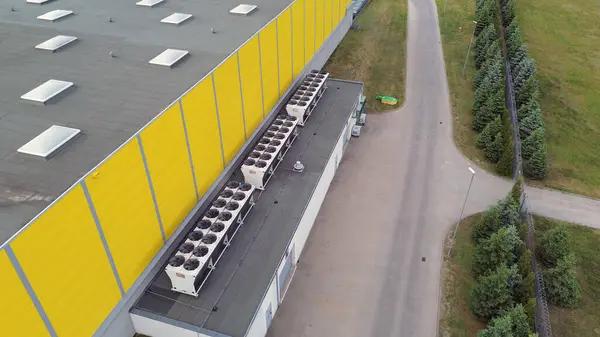
Modern commercial refrigeration systems play a crucial role in various industries, including food service, retail, and pharmaceuticals. These systems are designed to maintain precise temperature control to preserve perishable goods, ensure safety, and extend product shelf life. Unlike residential refrigerators, commercial units must handle larger volumes of products while operating efficiently over extended periods. Understanding how these refrigeration systems work and their key components can help businesses optimize performance and reduce energy costs.
At the core of any commercial refrigeration system is the refrigeration cycle, which involves compressing a refrigerant gas, condensing it into a liquid, expanding it to lower pressure and temperature, then evaporating it to absorb heat from the refrigerated space. This process removes heat from inside the unit and releases it outside. The main parts include the compressor, condenser coil, expansion valve or device, and evaporator coil. Each component plays an essential role in maintaining consistent cooling.
Commercial Refrigeration units come in several types based on their application needs. Walk-in coolers and freezers provide large storage spaces for restaurants or grocery stores requiring bulk cold storage. Reach-in refrigerators offer easy access for storing frequently used items in kitchens or retail environments. Display cases combine cooling with visibility to showcase products like beverages or fresh produce while keeping them at safe temperatures.
Energy efficiency has become a primary focus in modern commercial refrigeration design due to rising operational costs and environmental concerns. Manufacturers incorporate advanced technologies such as variable speed compressors that adjust cooling output based on demand rather than running at full capacity continuously. Improved insulation materials minimize thermal exchange between interior compartments and external surroundings. Additionally, LED lighting reduces heat generation inside display cases compared to traditional bulbs.
Proper maintenance is vital for reliable operation of commercial refrigeration systems. Regular cleaning of condenser coils prevents dust buildup that impairs heat dissipation efficiency; clogged coils force compressors to work harder leading to higher energy consumption and potential equipment failure over time. Checking refrigerant levels ensures optimal cooling performance since leaks can cause inadequate temperatures or damage components if left unaddressed.
Digital controls have revolutionized monitoring by allowing operators to set precise temperature parameters remotely via smartphone apps or building management systems (BMS). Alerts notify staff immediately if temperatures deviate beyond acceptable limits so corrective actions can be taken promptly before spoilage occurs.
In summary, modern commercial refrigeration systems integrate sophisticated technology with robust mechanical components tailored for demanding environments where consistent cooling is critical. Recognizing how these systems function enables users not only to select appropriate equipment but also maintain efficient operation throughout its lifespan while minimizing energy use and protecting valuable inventory investments effectively.