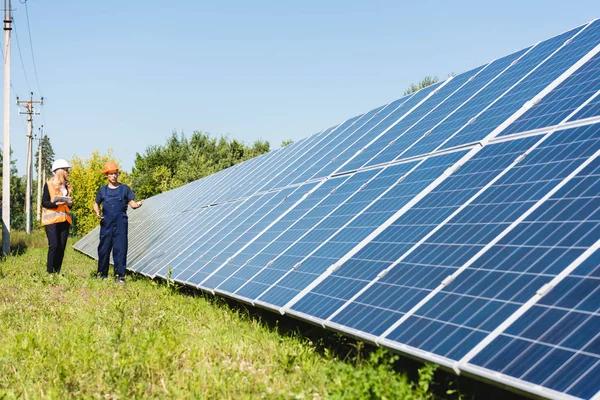
In recent years, solar energy has emerged as a popular and sustainable solution for reducing electricity bills and minimizing carbon footprints. However, like any technology, solar panels are not immune to wear and tear or advancements in technology. As such, there comes a time when upgrading your solar panels becomes necessary to ensure optimal efficiency and performance.
One of the most telling signs that it might be time to upgrade your solar panels is a noticeable decrease in energy production. Over time, solar panels can degrade due to exposure to the elements, leading to reduced efficiency. If you observe that your energy output has significantly decreased compared to previous years despite consistent sunlight exposure, it may be an indication that your current system is no longer operating at peak performance.
Another sign that an upgrade could be beneficial is the age of your current system. Solar panel technology has advanced rapidly over the past decade. If your system is more than 10-15 years old, it might not incorporate newer technologies designed for higher efficiency and better energy capture. Modern panels offer improved conversion rates and enhanced durability compared to older models.
Rising electricity bills can also signal inefficiencies in your existing setup. If you’ve noticed an unexplained increase in utility costs despite having a solar power system installed, this could suggest that your panels are not generating enough power or have become less efficient over time. Upgrading could help restore balance by harnessing more sunlight effectively.
Physical damage or visible deterioration on see the site panels should not be overlooked either. Cracks, discoloration, or delamination can all impact performance negatively by obstructing light absorption or causing electrical issues within the cells themselves.
Additionally, changes in household energy needs may necessitate an upgrade too; perhaps you’ve added new appliances or expanded living space requiring greater power consumption than what was initially planned for when installing those first-generation systems? In such cases where demand exceeds supply capabilities offered by outdated equipment alone—upgrading becomes essential rather than optional if one wishes continued reliance upon renewable sources without compromise elsewhere financially speaking!
Finally yet importantly: environmental considerations play their part here as well since technological advances mean today’s products often come equipped with features promoting sustainability beyond mere functionality alone (e.g., recyclable materials used during manufacturing processes). Thus making them attractive options environmentally-conscious consumers looking reduce ecological impact wherever possible while still benefiting from clean green energies available through cutting-edge innovations present-day marketplace offers now unlike ever before seen historically speaking altogether combined together seamlessly into cohesive whole package deal truly worth investing long-term future success both personally professionally alike!