When it comes to electrical work, the distinction between residential and commercial electricians is crucial. Both roles require specialized skills and knowledge, but they cater to different environments and demands. Understanding these differences can help homeowners, businesses, and aspiring electricians make informed decisions.
Residential electricians focus primarily on home electrical systems. Their work often involves installing wiring in new homes or updating existing systems to meet modern standards. They are adept at working with single-phase power supplies typically found in residences, which provide 120 volts of electricity for standard household appliances like refrigerators, ovens, and lighting fixtures. Residential electricians must be familiar with local building codes and safety regulations to ensure that all installations comply with legal standards.
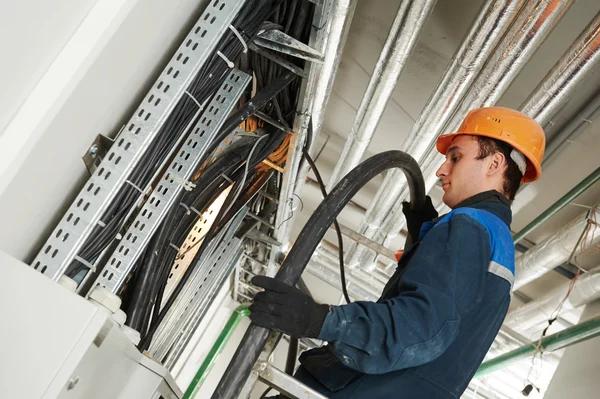
In contrast, commercial electricians operate within larger-scale settings such as office buildings, shopping malls, factories, and other commercial establishments. These environments demand a more complex understanding of three-phase power systems that deliver higher voltages necessary for heavy machinery or extensive lighting setups. Commercial projects often involve intricate planning due to the scale of the operations; thus requiring detailed blueprints and collaboration with architects or engineers.
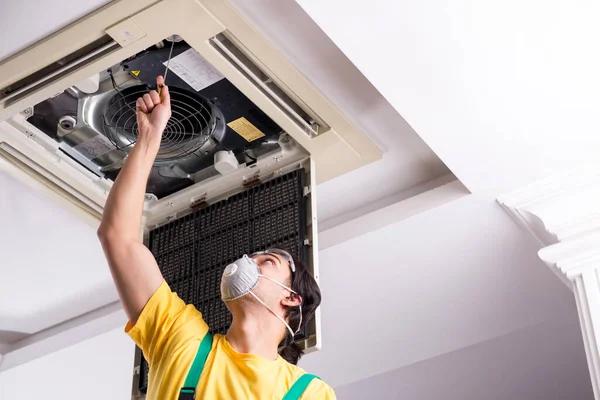
The scope of work also varies significantly between these two types of electricians. Residential assignments might include troubleshooting faulty circuits within JDV Electric a home or installing ceiling fans whereas commercial tasks could range from setting up entire electrical frameworks during new construction projects to maintaining large-scale HVAC systems in corporate offices.
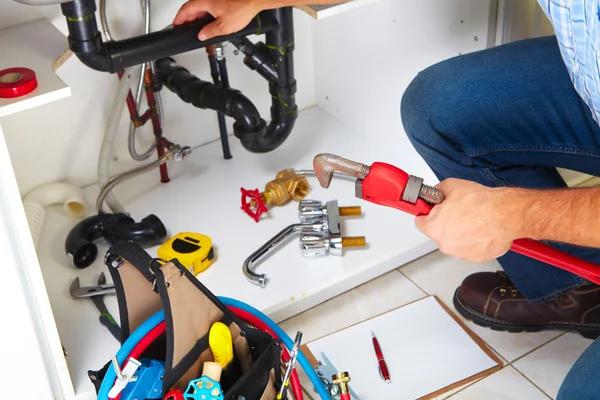
Additionally, the tools used by residential versus commercial electricians can differ based on their specific needs. While both use fundamental tools like pliers and screwdrivers; commercial electricians may need advanced equipment such as conduit benders or cable testers designed for high-voltage applications.
Safety is paramount in both fields but takes on heightened importance in commercial settings due to the potential risks associated with higher voltage levels present there compared to homes where lower voltages pose less danger if handled properly by experienced professionals following strict safety protocols established over years through training programs certified by relevant authorities ensuring compliance across various jurisdictions globally.