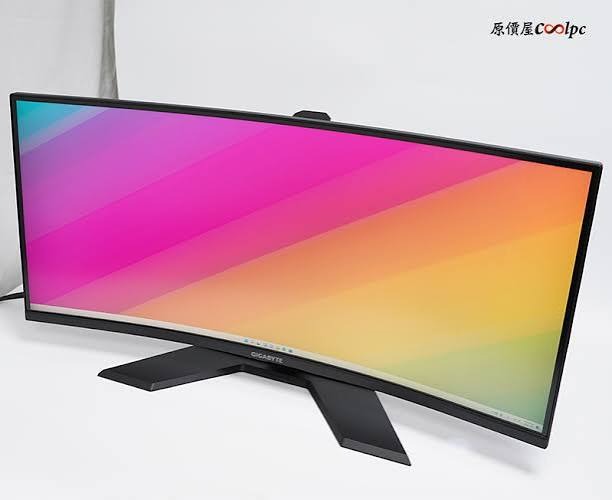
Shopping for a new gaming monitor can be overwhelming, especially with so many models offering different sizes, resolutions, and features. An ultrawide gaming monitor stands out because it provides a wider aspect ratio than a traditional display, giving you more screen space and a broader field of view. Instead of the common 16:9 format, most ultrawide monitors use a 21:9 aspect ratio, while some premium models go even wider.
This extra width creates a more immersive gaming experience and also improves productivity for everyday tasks. Whether you’re upgrading your gaming setup or buying your first premium display, understanding the essential features will help you make a smart investment.
Choose the Right Screen Size for Your Space
Screen size is one of the first things you’ll notice when ultrawide gaming monitor comparing different models. Ultrawide gaming monitors are commonly available in sizes ranging from 29 inches to 49 inches. A 34-inch model is often considered the sweet spot because it offers a large viewing area without taking over your entire desk.
If you have limited desk space, a smaller ultrawide display may be more practical. Larger displays, especially 49-inch models, deliver an incredibly immersive experience but require more room and a comfortable viewing distance. Before making a purchase, measure your desk and consider how far you’ll typically sit from the screen.
Pick a Resolution That Matches Your Gaming PC
Resolution has a direct impact on image quality and gaming performance. A higher resolution produces sharper visuals but also requires more powerful hardware to maintain smooth frame rates.
Many gamers choose a 3440×1440 resolution because it offers an excellent balance between clarity and performance. Entry-level ultrawide gaming monitors often use 2560×1080, which is easier for mid-range graphics cards to handle. Premium models may feature even higher resolutions that deliver exceptional detail but demand high-end GPUs.
Selecting a resolution that matches your computer’s capabilities ensures you get the best gaming experience without unnecessary performance issues.
Refresh Rate and Response Time Matter
A beautiful display isn’t enough if gameplay feels sluggish. Refresh rate and response time are critical for smooth gaming, particularly in competitive titles.
For most gamers, a refresh rate of at least 144Hz provides noticeably smoother motion than standard 60Hz displays. Competitive players may even prefer 165Hz, 180Hz, or higher for the most responsive experience.
Response time is equally important because it helps reduce motion blur and ghosting during fast-moving scenes. Lower response times generally result in sharper action and improved clarity during intense gameplay.
Compare Different Panel Technologies
The panel type significantly influences image quality, color accuracy, contrast, and viewing angles. Each technology offers unique advantages depending on your priorities.
IPS panels are popular for their excellent color reproduction and wide viewing angles, making them suitable for both gaming and creative work. VA panels offer stronger contrast and deeper blacks, which can enhance dark gaming environments. OLED displays deliver outstanding image quality with rich colors and near-perfect black levels, although they often come at a higher price.
Understanding these differences helps you choose a monitor that fits both your gaming style and budget.
Don’t Overlook Adaptive Sync Features
Screen tearing and stuttering can reduce the overall gaming experience. Fortunately, many ultrawide gaming monitors include adaptive synchronization technologies that keep gameplay smooth.
AMD FreeSync and NVIDIA G-SYNC Compatible monitors synchronize the display’s refresh rate with your graphics card, minimizing visual artifacts and improving responsiveness. Even if you don’t currently own a high-end graphics card, selecting a monitor with adaptive sync offers better flexibility for future upgrades.
This feature has become standard on many modern gaming monitors and is worth considering before making your final decision.
Think About Connectivity and Everyday Convenience
Gaming performance is important, but practical features can make daily use much more enjoyable. Check whether the monitor includes the ports you need, such as DisplayPort, HDMI, or USB-C, especially if you plan to connect multiple devices.
Many ultrawide gaming monitors also include built-in USB hubs, adjustable stands, cable management systems, and picture-by-picture modes that allow two devices to share the screen simultaneously. These extras may seem minor, but they add convenience for both gaming and work.
If you stream, edit videos, or multitask regularly, these features can improve your overall experience far beyond gaming alone.
Balance Your Budget with Long-Term Value
Buying an ultrawide gaming monitor is an investment that you’ll likely use for many years. While it’s tempting to focus only on price, it’s often better to consider long-term value. Spending a little more on better image quality, smoother performance, and reliable build quality can provide a much more satisfying experience over time.
Instead of chasing the most expensive model, focus on the features that matter most to your gaming habits. A well-balanced monitor with the right size, resolution, refresh rate, and panel technology will continue to perform well as new games are released.
By taking the time to compare your options carefully, you can confidently choose an ultrawide gaming monitor that delivers excellent performance, immersive visuals, and everyday versatility for years to come.