
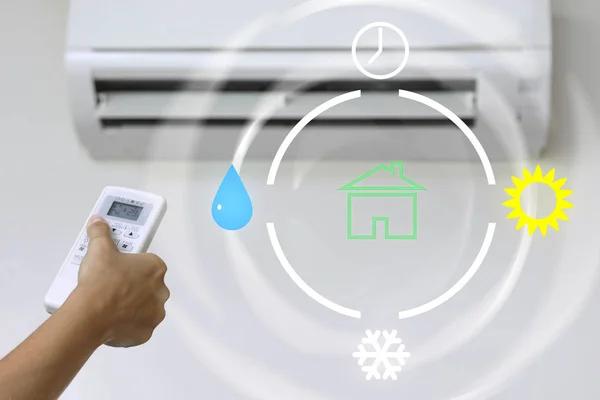
Indoor air quality is a crucial aspect of maintaining a healthy living environment, yet it often goes overlooked. The air inside our homes can be more polluted than the outdoor air, due to factors like dust, pet dander, mold spores, and volatile organic compounds (VOCs) emitted from household products. One effective way to improve indoor air quality is by using the right air conditioner.
Air conditioners are not just for cooling; they play a significant role in filtering and circulating indoor air. Modern air conditioning systems come equipped with advanced filtration technologies that can capture pollutants and allergens, ensuring cleaner and healthier indoor environments. Choosing an air conditioner with a high-efficiency particulate air (HEPA) filter or an electrostatic filter can significantly reduce airborne particles.
When selecting an air conditioner, it’s essential to consider its size relative to the room it will serve. An oversized unit may cool the room too quickly without adequately dehumidifying it, leading to dampness that encourages mold growth. Conversely, an undersized unit may struggle to maintain desired temperatures while overworking itself—both scenarios negatively impact indoor air quality.
Regular maintenance of your AC unit is also vital for optimal performance and improved indoor air quality. This includes cleaning or replacing filters click here every few months or as recommended by the manufacturer. Filters clogged with dirt and debris cannot effectively trap pollutants; instead, they recirculate them into your living space.
In addition to filtration capabilities, some modern AC units offer features such as humidity control and ventilation options that further enhance indoor environmental conditions. Proper humidity levels prevent excessive dryness or moisture in the home—conditions conducive to respiratory issues or mold proliferation respectively—while adequate ventilation ensures fresh outdoor airflow mixes with conditioned interior spaces.
Energy efficiency should also factor into choosing an appropriate system since efficient models consume less power while delivering superior performance—a consideration beneficial both environmentally and economically over time through reduced utility bills.